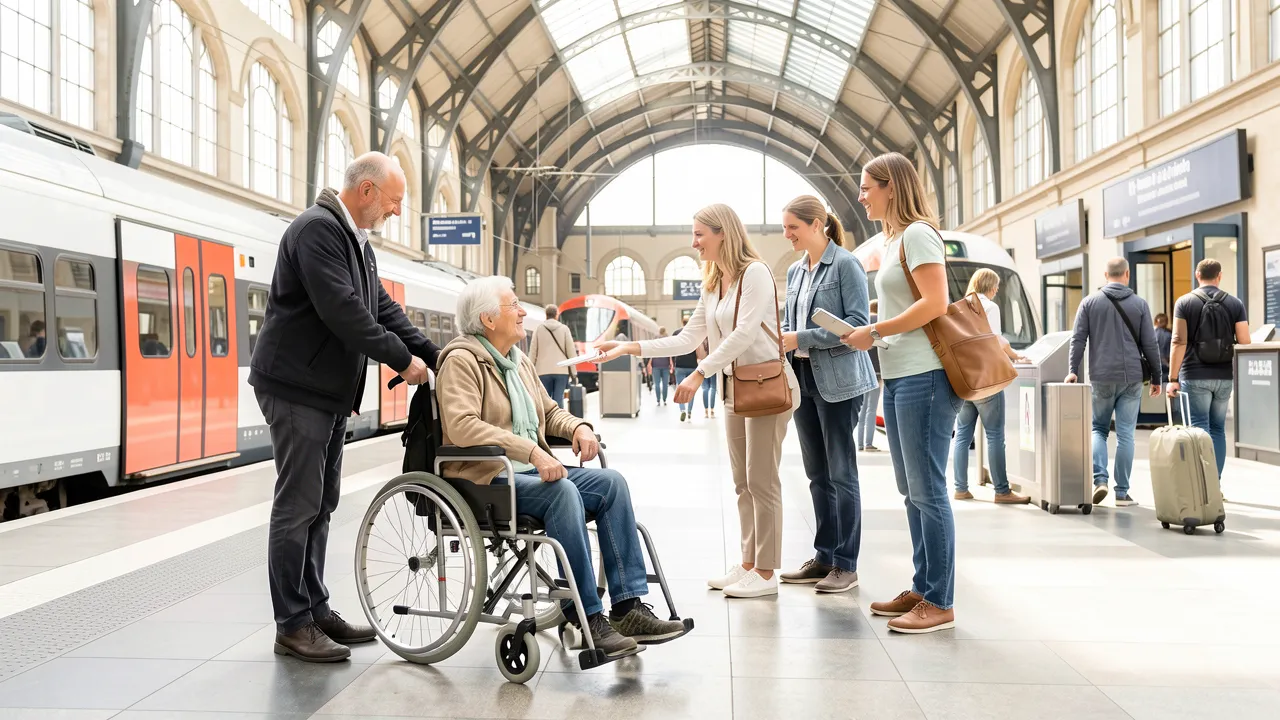


How to dress for community events with confidence and care
Community gatherings, workshops and local cultural events work best when people can take part without worrying that their clothes are “right” enough. From Project Nemo’s social-inclusion perspective, style can support belonging when it leaves room for different bodies, budgets, identities and comfort needs. A thoughtful outfit does not require a new purchase or a strict dress code. It should help you feel prepared, mobile and recognisably yourself.
Inclusive dress choices help everyone participate with confidence
An inclusive approach to event dressing starts with a simple principle: people should be able to show up as they are. Formal expectations can create pressure, particularly when they are unclear, expensive to meet or poorly suited to someone’s cultural background, sensory needs or physical mobility. Choosing clothing that feels familiar can reduce that pressure and let your attention stay on conversations, activities and shared experiences.
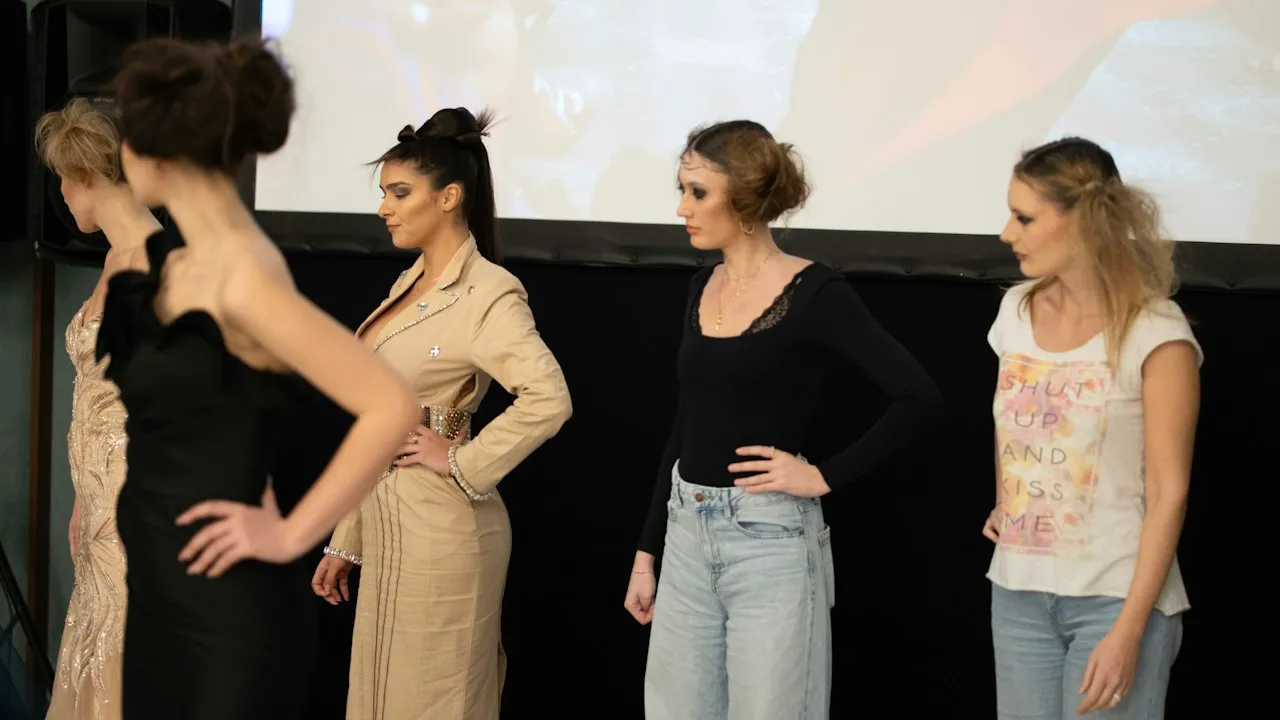
For a community event, aim for comfortable elegance rather than a performance of formality. This might mean wide-leg trousers with a soft shirt, a dress worn with flat boots, or clean jeans paired with a structured jacket you already own. You do not need to dress down your personality to be practical. Colour, texture, tailoring and a favourite accessory can make a simple outfit feel intentional.
Check the event setting before you decide. A workshop may involve sitting on the floor, carrying materials or moving between rooms. An outdoor gathering may call for layers, a water-resistant jacket and shoes that handle uneven paths. If you are unsure, select pieces that can adapt easily throughout the day.
A versatile wardrobe reduces pressure to buy for one occasion
Responsible fashion begins with using what is already available. Before shopping, look through your wardrobe for garments that you can wear in several contexts: a breathable overshirt, a knit cardigan, plain trousers, a neutral skirt, comfortable shoes or a scarf that works in different seasons. These are adaptable basics, not boring items. Their value comes from the number of ways they can be worn.
For broader advice on combining practical garments, extending a wardrobe’s life and selecting accessories with meaning, the Fashion guide offers a useful responsible-dressing perspective. Its approach connects clothing choices with reuse, thoughtful consumption and personal expression. That framing is particularly relevant when you are building outfits for social settings without treating fashion as a disposable requirement.
Try assembling an outfit one day before the event. Move around in it, sit down, raise your arms and check whether the fabric rubs, overheats or needs constant adjustment. If a garment only works when you stand still, it may not serve you well at a participatory event. A small repair, such as sewing a loose button or polishing shoes, can often make an existing piece feel ready again.
Start with a dependable base and add flexible layers
A reliable outfit formula can remove uncertainty while preserving individuality. Begin with one base layer that feels good against your skin, then add a second piece that you can remove or put on as conditions change. For example, a cotton T-shirt, relaxed trousers and an open shirt can suit a daytime workshop, while a blazer or colourful cardigan can make the same base feel more dressed up for an evening discussion.
Prioritise fabrics and cuts that support your actual plans. Natural fibres can feel pleasant in warm venues, while a light layer helps in drafty community halls. If you use mobility aids, cycle, walk long distances or have sensory sensitivities, choose closures, waistbands and shoe shapes that respect those needs. Personal comfort is not a compromise in style.
Second-hand accessories can add meaning without excess
Accessories are an effective way to make a familiar outfit feel personal without buying an entirely new look. A pre-owned belt, vintage bag, repaired watch or second-hand jewellery piece can bring character to clothes you already wear. Local charity shops, clothing swaps, resale platforms and friends’ wardrobes are all useful places to search before buying new.
Some accessories carry cultural, religious, political or family meaning. Wearing them can be a powerful expression of identity and connection, especially at events built around community. Respect matters here: choose symbols that belong to your own story or that you understand well, avoid treating sacred or culturally specific items as costumes, and consider the context of the gathering.
Borrowing is another low-impact option. A friend’s colourful scarf or a relative’s brooch can transform an outfit for the day, then return to its owner for future use. This approach keeps consumption modest while making room for experimentation.
Responsible event style is built around use, not novelty
The strongest community-event outfit is one you will want to wear again. Rather than purchasing an item for a single afternoon, ask whether it works with at least three other pieces you own and whether it suits your everyday life. A thoughtful choice can be simple, repaired, borrowed, pre-owned or already hanging in your wardrobe.
Keep these points in mind when getting dressed:
- Choose clothes that let you sit, walk, greet people and join activities comfortably.
- Check the weather, venue temperature and expected level of movement.
- Rewear dependable pieces, then refresh them with layering or one meaningful accessory.
- Borrow, swap or buy second-hand before purchasing something new.
- Wear symbols and culturally meaningful items with knowledge and respect.
- Let your outfit support your confidence, rather than distract from your participation.
Create a community event outfit you will wear again
Responsible style is less about meeting an external standard and more about making considered choices that fit your life. When you dress for comfort, reuse and self-expression, you can arrive ready to participate on your own terms. The result is a wardrobe that serves both your social calendar and your values, with fewer purchases and more possibilities.
Frequently asked questions about inclusive community event style
What should you wear if the event dress code is unclear?
Choose a neat, comfortable outfit that can shift between casual and slightly formal settings. A simple base, such as trousers or a skirt with a shirt, plus a removable layer gives you flexibility without requiring a special purchase.
Can second-hand clothing look polished at a community event?
Yes. Focus on fit, condition and care rather than whether an item is new. Clean shoes, a lint-free jacket, a repaired hem and a well-chosen accessory can make second-hand clothing feel polished and personal.
How can you express your identity while dressing respectfully?
Wear colours, jewellery, fabrics or symbols that have genuine relevance to you. If an item comes from a culture, faith or tradition outside your own experience, learn about its meaning first and avoid using it as a decorative costume.