

How EU social funds support local inclusion projects

Local inclusion projects often begin with a practical need: helping unemployed residents gain skills, supporting migrants as they settle, making services accessible, or reducing isolation among older people. EU social funds give municipalities, charities, schools, and community groups resources to turn these needs into structured local action. While funding rules can appear complex, the underlying aim is direct: reduce inequality and improve participation in economic, social, and civic life.
EU funding connects social priorities with local delivery
The European Social Fund Plus, commonly called ESF+, is the EU’s main instrument for investing in people. It supports employment, education, social inclusion, poverty reduction, and skills development. National and regional authorities manage many ESF+ programmes, then open calls for projects that respond to local priorities.
A local organisation might receive support to run language classes for newly arrived residents, provide career guidance to young people outside education or work, or train social workers in trauma-informed care. Projects usually need clear objectives, measurable activities, and evidence that the proposed work complements existing local services.
Other EU funding streams can support inclusion from different angles. The European Regional Development Fund can help finance accessible community centres, digital access points, or neighbourhood regeneration. The Asylum, Migration and Integration Fund may support services for migrants and refugees. Rural development programmes can address isolation and limited access to services in remote areas.
Funding becomes more effective when local actors understand the wider social networks already present in a neighbourhood. How mutual aid networks strengthen local communities offers useful context on the relationships that can help formal services reach people who might otherwise remain overlooked.
Strong projects are built around real barriers to participation
An inclusion project should begin with a specific barrier, rather than a broad ambition to “help the community.” Residents may face several obstacles at once: unstable housing, low digital confidence, limited transport, discrimination, caring responsibilities, or a lack of recognised qualifications.
For example, a job-readiness programme for single parents may fail if sessions take place during school pickup hours. A digital-skills course may exclude older residents if registration only happens online. An accessible venue alone may not be enough if information is not available in plain language, sign language, or alternative formats.
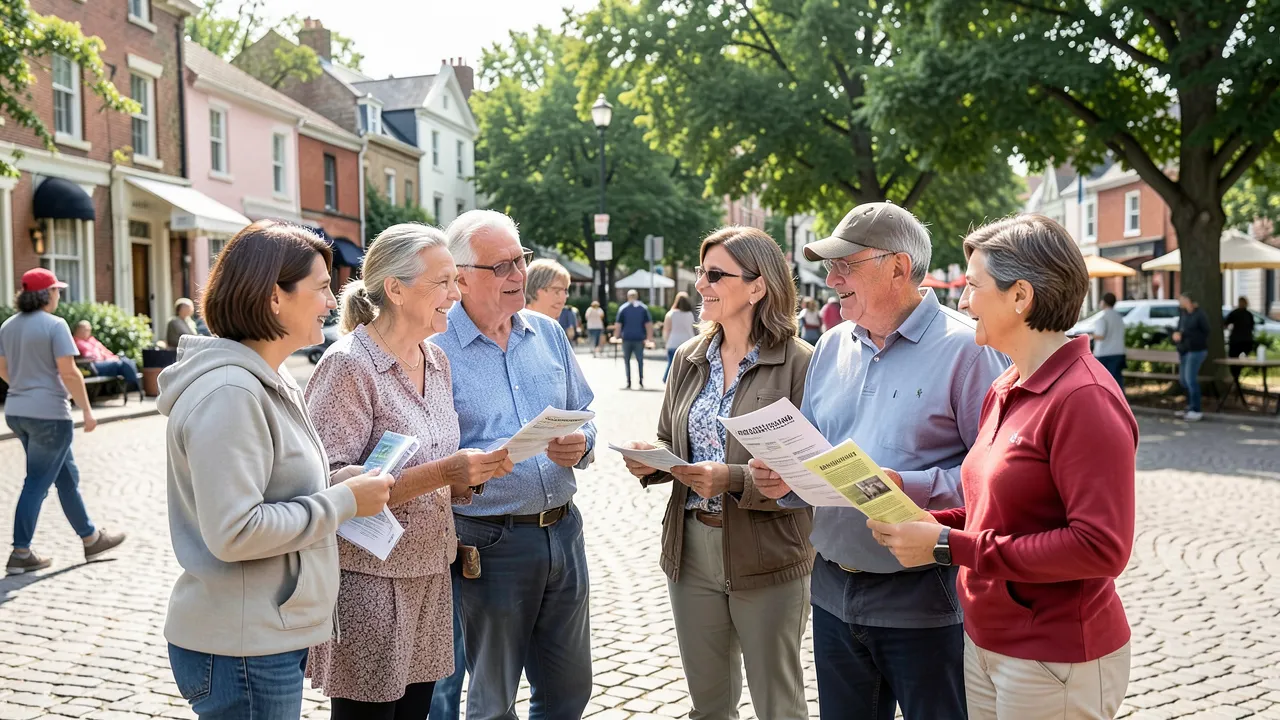
Co-design with residents helps project leaders avoid these gaps. Community consultations, listening sessions, participant surveys, and partnerships with trusted local groups can reveal what people actually need. These methods also strengthen funding applications because they demonstrate that planned activities reflect local evidence.
EU-funded projects are generally expected to follow principles such as equal opportunities, non-discrimination, gender equality, and accessibility. These principles should shape the full programme, from outreach and enrolment to venue choice, staffing, communications, and evaluation.
Partnerships can turn a funded activity into a local system
Social inclusion rarely falls within the remit of one organisation. A municipality may understand local services and public infrastructure, while a community association may have the trust of residents. Schools, health providers, employment services, cultural organisations, and employers can each contribute expertise or referral routes.
Effective partnerships define roles early. One partner might lead financial administration, another provide outreach, and a third deliver specialist support. This structure reduces duplication and gives participants a clearer experience. It also helps projects continue when a grant period ends.
Community engagement matters beyond recruitment. Local campaigns can explain who the project is for, counter misinformation, and invite residents to shape activities. The approaches described in How grassroots campaigns build public support can help organisations build visibility without treating residents as passive beneficiaries.
Applicants should also consider co-financing requirements. Some EU programmes require national, regional, or local contributions. A partnership can make this easier by combining staff time, facilities, complementary funding, and in-kind resources, where programme rules allow them.
Accessibility must be planned from the start
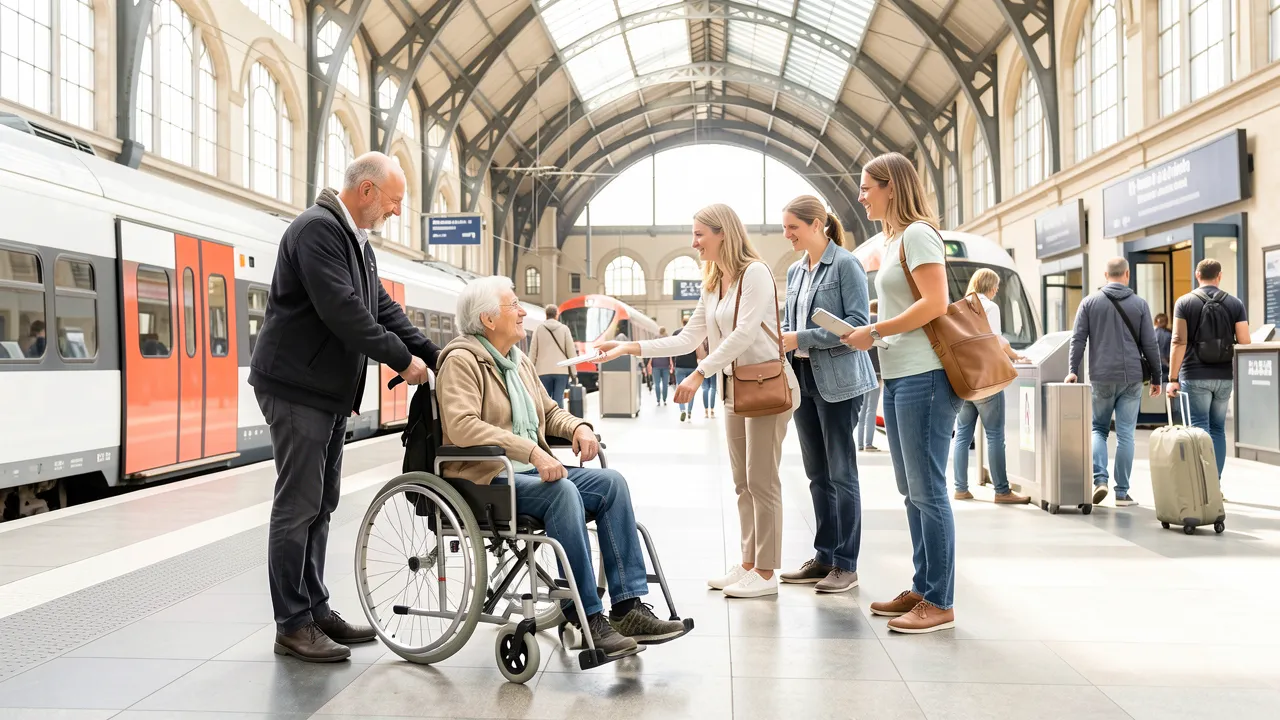
Many inclusion projects aim to serve people with disabilities, yet accessibility is sometimes treated as a late adjustment. A stronger approach places universal access in the original project design.
Physical access includes step-free entrances, accessible toilets, clear signage, suitable seating, and reliable transport options. Digital access includes readable websites, captioned videos, screen-reader compatibility, and simple online forms. Communication access may require interpreters, plain-language materials, or translated information.
These adjustments also benefit many people beyond the initially identified group, including parents with pushchairs, residents with temporary injuries, people with low literacy, and those who are unfamiliar with public systems. For practical ideas, What makes schools, workplaces, and public spaces truly accessible for everyone? examines how inclusive design can improve everyday participation.
Budgeting for access at the proposal stage is more reliable than seeking amendments later. This includes fees for interpretation, accessible transport, assistive technology, venue adaptations, and specialist advice.
Measuring results helps projects secure their future
EU funders commonly ask projects to report outputs and results. Outputs may include the number of people trained, counselling sessions delivered, or workshops held. Results should go further: did participants find work, complete education, access services, improve digital skills, or feel more connected to their community?
Quantitative data is useful, but it does not capture every change. Participant feedback, case notes, focus groups, and anonymous wellbeing surveys can show whether services felt safe, respectful, and useful. Data collection must respect privacy rules, particularly when working with vulnerable groups.
A thoughtful evaluation process also supports sustainability. If a pilot service proves effective, local authorities may incorporate it into regular provision, partners may secure follow-on grants, or trained volunteers may continue selected activities.
Key practices for local inclusion projects include:
- Match activities to documented local needs, not generic assumptions.
- Build partnerships that combine trust, expertise, and practical capacity.
- Include accessibility costs and inclusive communications in the original budget.
- Track both service delivery and meaningful changes for participants.
- Plan from the outset for what happens after EU funding ends.
How EU funding can create lasting local inclusion
EU social funds are most valuable when they support durable local capacity rather than short-lived events. By listening to residents, designing accessible services, coordinating partners, and measuring outcomes honestly, local organisations can use funding to widen participation long after a specific grant has closed.