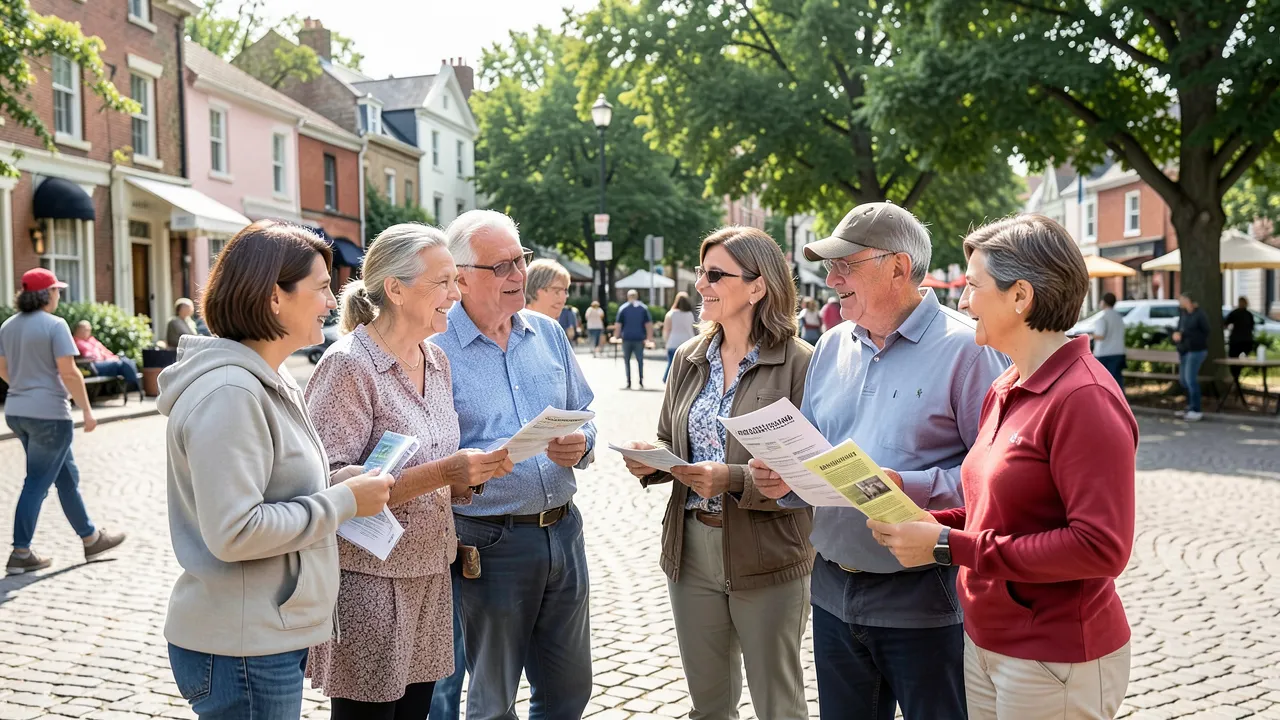


How newcomers can find housing, work, and community support after moving

Moving to a new country or city can feel like being dropped into a map you have never seen before. I know how overwhelming it can be to look for a place to live, search for work, and figure out where to turn for help, all at the same time. For newcomers, these first steps shape everything that follows. With the right newcomer support, the transition becomes less confusing and much more manageable. Housing, employment, and local services are not separate problems; they are connected parts of settling in and building a stable life.
Starting with housing: finding a safe place to land
The first priority for many newcomers is migrant housing. A secure address gives you more than a roof overhead. It provides a base for paperwork, job searches, school enrolment, and everyday routine. When I speak with people who have recently moved, housing is often the most stressful issue because it is tied to cost, language, and trust.
What to look for first
If you are searching for housing, I recommend focusing on three basic questions:
- Is the accommodation legally rented and clearly documented?
- Is the location close to public transport, services, or work options?
- Can you afford the rent without emptying your savings immediately?
Many cities have settlement agencies, municipal offices, or nonprofit organisations that can help you understand rental contracts and avoid scams. If you are unfamiliar with the local language, ask for translated materials or an interpreter. A lease you cannot understand can create problems later.
Temporary and longer-term options
Some newcomers begin in temporary housing such as shared apartments, hostels, or reception centres before moving into private rentals. That can be a practical first step, especially if you need time to look for work. Shared housing may also lower costs while you settle in. At the same time, I would advise you to keep records of every payment and agreement. Clear documentation protects you if disputes arise.
Finding work and building job integration
A stable job often determines how quickly a newcomer can move from survival mode to real planning. Job integration is not only about applying for vacancies. It involves understanding how local workplaces operate, which skills are recognised, and what credentials may need translation or certification.
Adapting your CV and applications
In many countries, a CV format differs from what you used before. You may need to shorten your work history, highlight transferable skills, or adjust the tone of your cover letter. I suggest preparing two versions of your CV: one general version and one tailored to the field you want to enter.
If your qualifications were earned abroad, check whether they need formal recognition. Some professions, especially in healthcare, education, trades, and law, may require additional exams or local registration. Settlement organisations and employment centres often explain these steps better than general job websites do.
Where to search
You can look for work through:
- government employment offices
- local job boards and recruitment agencies
- community centres and newcomer programs
- industry associations and training providers
- referrals from people already working in your field
I have seen many newcomers benefit from volunteer work or short-term placements. These may not pay much, but they can provide local references, language practice, and a better understanding of workplace expectations. That kind of experience often makes a later application stronger.
Using community services to reduce isolation
A move is not only a logistical shift; it can also be an emotional one. Many people feel cut off from family, friends, and familiar routines. This is where community services become a lifeline. They help newcomers move from isolation to participation.
Services that can make a difference
Common forms of support include:
- language classes and conversation groups
- legal aid and immigration advice
- childcare support
- mental health counselling
- food banks and emergency assistance
- cultural associations and faith-based organisations
These services do more than meet immediate needs. They also help you understand how the local system works. For example, a language class may lead to a friend who knows about a job opening. A community centre may offer computer access, which is useful when you are applying for housing or work online.
Building trust and connections
I encourage you to attend a few events or drop-in sessions, even if you feel shy at first. Repeated contact matters. Over time, familiar faces become sources of advice, practical help, and friendship. For parents, community services can also provide pathways into schools, youth programs, and family activities.
Creating a practical settlement plan
Settling in becomes easier when you treat the first months as a sequence of priorities rather than one huge task. I find it useful to break the process into steps:
Week 1: Stabilise
Secure temporary housing, collect important documents, and identify local services. Find out how transport works and where to access food, healthcare, and banking.
Weeks 2–4: Connect
Register with newcomer support organisations, attend language or orientation sessions, and begin asking about work options. Start building a list of contacts.
Month 2 and beyond: Progress
Apply for jobs, seek housing that better fits your budget, and deepen your ties to the community. At this stage, routines matter. Regular schedules help reduce stress and make planning easier.
What often gets overlooked
People often focus on rent and employment, but other small details shape the experience of settlement. A phone plan, transit pass, internet access, or a library card can make daily life far easier. So can knowing where to get official documents translated. These practical tools are part of newcomer support, even if they do not always appear in formal programmes.
Language barriers also deserve attention. If you can, keep a notebook of key terms in the local language: landlord, appointment, benefit, lease, job interview, and emergency contact. That small habit can save time and reduce confusion.
Key points to remember
- Migrant housing should be safe, legal, and affordable.
- Job integration works best when you adapt your CV, understand credential recognition, and use local networks.
- Community services can provide language help, legal guidance, childcare, and emotional support.
- Temporary solutions are acceptable if they help you move toward stability.
- Small practical tools, such as transport cards and translated documents, can make daily life much easier.
Building a stable start after the move
When I think about successful settlement, I do not picture instant success. I picture steady progress: a first room, a first interview, a first neighbour who says hello, a first local contact who answers a question. These steps may seem modest, but together they create momentum.
If you are supporting a newcomer, your help may be more valuable than you realise. A referral, a shared contact, or a patient explanation can open doors that once felt closed. And if you are a newcomer yourself, remember that finding housing, work, and community support is not a sign that you are failing. It is the process of building a new life, one decision at a time.