

How schools can support children from diverse backgrounds and learning needs
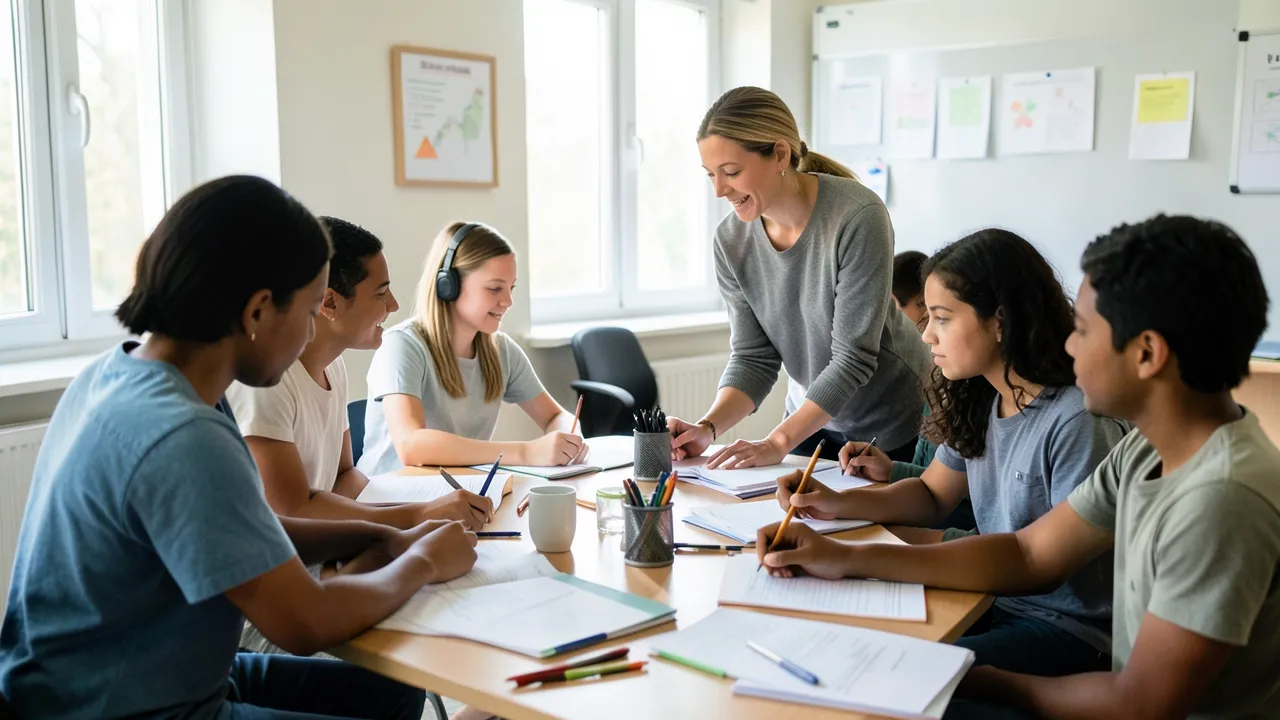
Schools shape not only academic outcomes but also a child’s sense of belonging. When I think about inclusive education, I think about more than classroom accommodations: I think about whether a child feels seen, respected, and capable of learning in their own way. Children arrive at school with different languages, family structures, cultures, abilities, and prior experiences. Some need extra time, some need visual supports, some need emotional safety, and some need all three. A school that responds well to these realities does more than teach—it helps children thrive.
Building a Culture That Welcomes Every Learner
The first step in supporting diverse learners is culture. Policies matter, but the daily tone of a school matters just as much. If children hear their names pronounced correctly, see their cultures reflected in books and displays, and are treated with respect when they ask questions, they begin to understand that they belong.
Representation in the classroom
I find that small changes often have a large impact. Classroom libraries can include stories featuring different cultures, family types, and abilities. Posters, examples, and learning materials can reflect the full range of students in the room. This does not only support children from underrepresented groups; it helps every child develop empathy and curiosity.
Relationships first
Children learn better when they trust the adults around them. A warm greeting at the door, regular check-ins, and consistent routines help students feel safe. For learners who have experienced disruption, migration, trauma, or discrimination, this sense of stability can be a foundation for academic growth.
Responding to Learning Differences with Flexibility
Children do not all process information in the same way. Some need speech and language support, others benefit from hands-on learning, and some may struggle with attention, memory, or reading speed. A strong system of school support adapts to the learner rather than expecting every child to fit one model.
Universal Design for Learning
I often look to Universal Design for Learning as a practical approach. It encourages teachers to offer multiple ways to access information, show understanding, and stay engaged. For example:
- Visual diagrams alongside spoken explanations
- Written instructions paired with verbal reminders
- Choice in how students complete assignments
- Shorter tasks broken into manageable steps
These adjustments help children with diagnosed needs, but they also support many others who may not have formal labels.
Early identification and intervention
Schools can make a real difference by noticing struggles early. If a child is falling behind in reading, having trouble following directions, or showing signs of anxiety, the response should be timely and thoughtful. Early intervention may include assessment, targeted instruction, tutoring, counseling, or collaboration with specialists. Waiting often makes difficulties harder to address.
Partnering with Families and Communities
Families know their children best. When schools treat parents and caregivers as partners, children benefit. This partnership is especially important for families navigating language barriers, disability systems, or unfamiliar school expectations.
Communication that works for everyone
Clear communication is one of the most practical forms of support. Schools can offer translated materials, interpreters at meetings, accessible formats, and plain-language updates. I also value communication that is respectful of different schedules and work realities. A family should not be penalized because they cannot attend a meeting at a fixed time during the workday.
Shared decision-making
When a child needs additional support, families should be included in planning from the start. Their insights can shape goals, accommodations, and follow-up. A child’s needs are best understood when school staff and family members exchange information openly and without judgment.
Preparing Teachers to Work with Diverse Learners
Teachers do much of the daily work of inclusion, and they need support to do it well. Good intentions are not enough; educators need training, time, and tools.
Professional learning that goes beyond theory
Training should address cultural responsiveness, special education strategies, language development, behavior support, and trauma-informed practice. Teachers also need opportunities to reflect on bias and assumptions. A classroom can only become inclusive if adults are prepared to question routines that leave some students behind.
Collaboration in schools
No teacher should be expected to meet every need alone. I support models where general educators, special educators, counselors, therapists, and school leaders collaborate regularly. Shared planning can reduce duplication, strengthen interventions, and make support more coherent for children.
Creating Access Through Environment and Structure
Sometimes the most effective support is not a new program but a better environment. Noise, lighting, seating, transitions, and schedule changes can all affect learning.
Practical adjustments
Schools can improve access by offering:
- Quiet spaces for focused work or calming down
- Flexible seating options
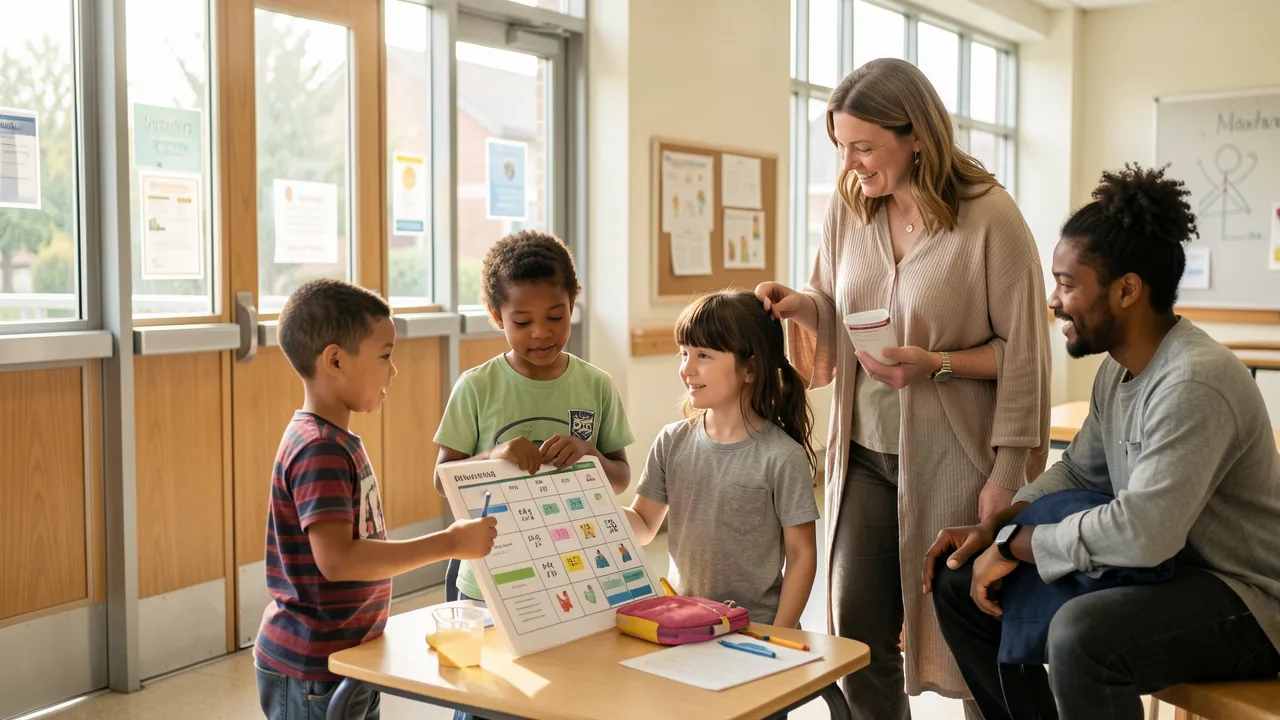
- Predictable schedules and visual timetables
- Assistive technology for reading, writing, or communication
- Extra processing time during lessons and assessments
These features benefit students with learning differences, but they also reduce stress for many other children.
Fair assessment practices
If a test measures speed more than understanding, it may not reflect what a child knows. Assessment should be designed with fairness in mind. Extended time, alternative formats, oral responses, and project-based tasks can offer a more accurate picture of learning.
Supporting Social and Emotional Belonging
Academic support alone is not enough. Children also need to feel socially accepted and emotionally secure. Bullying, exclusion, and low expectations can damage a child’s confidence and participation.
Encouraging peer connection
Structured group work, buddy systems, and cooperative learning can help children build relationships across differences. These experiences matter because they teach students that diversity is normal, not a problem to be managed.
Respecting identity
Schools should respond quickly to racism, ableism, xenophobia, and other forms of exclusion. I believe children learn best in spaces where their identities are not treated as a burden. Clear behavior policies, restorative approaches, and staff training can help build that environment.
Practical Priorities Schools Can Act on Now
If you are looking at how a school can become more inclusive, I would start with a few priorities:
- Train staff in inclusive teaching, cultural responsiveness, and learning differences
- Strengthen family partnerships with accessible and respectful communication
- Use flexible teaching methods that offer multiple ways to learn and demonstrate understanding
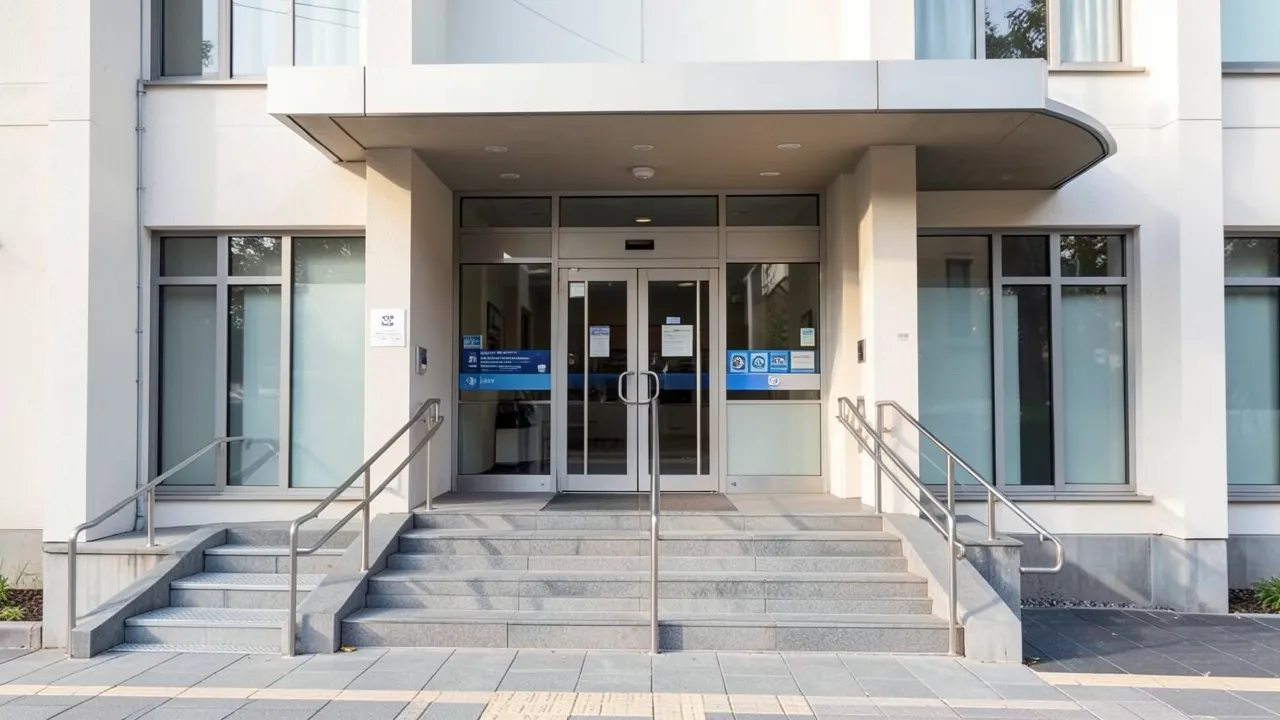
- Improve physical and emotional accessibility in classrooms and common spaces
- Intervene early when children show signs of academic or social difficulty
- Protect belonging by addressing bias, bullying, and exclusion quickly
A School System That Learns from Its Students
The strongest schools do not expect children to hide their differences in order to fit in. They adapt, listen, and make room for many ways of learning and being. When schools commit to inclusive education, they support not only individual children but the whole community. I believe that is the real measure of school quality: whether every child can enter the building, take part fully, and leave with greater confidence in who they are and what they can do.