

What makes schools, workplaces, and public spaces truly accessible for everyone?
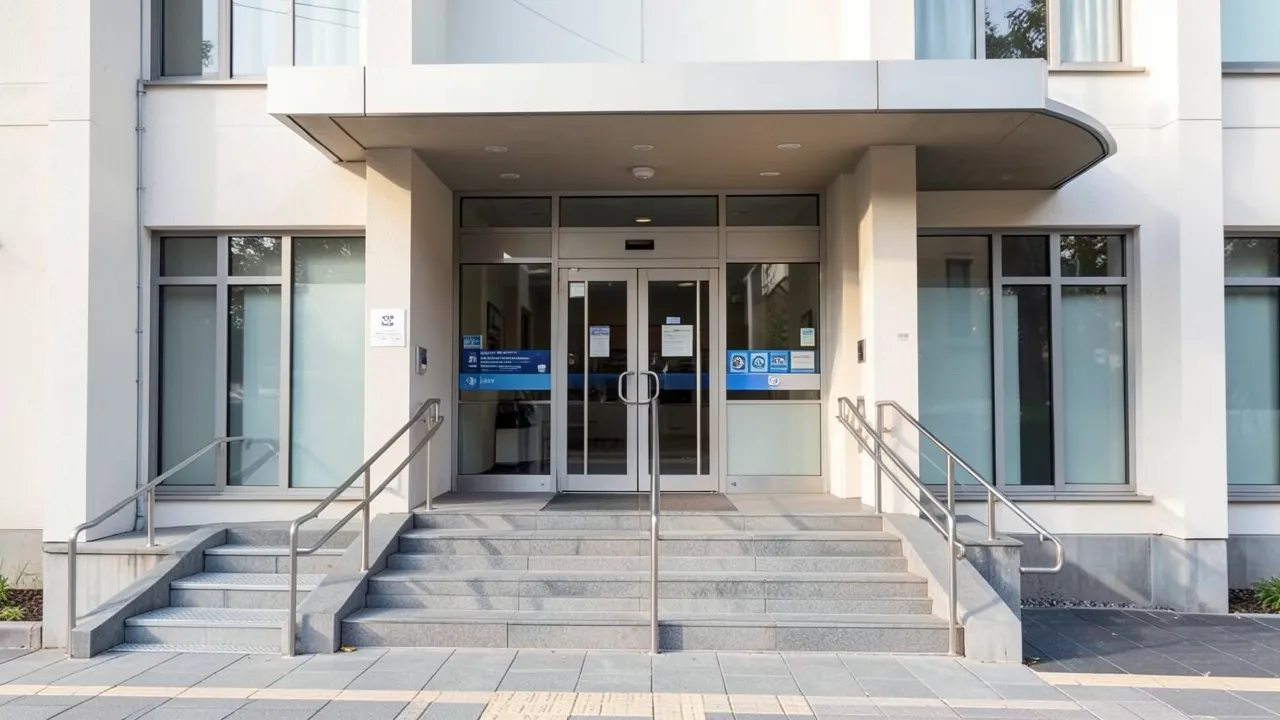
Accessibility is often discussed as a feature, but I see it as a basic condition for participation. When schools, workplaces, and public spaces are designed with equal access in mind, more people can learn, work, travel, and take part in community life without unnecessary barriers. That means accessibility is not only about ramps or captions; it is about whether a person can fully use a space with dignity, safety, and independence. Inclusive design makes that possible by anticipating different bodies, minds, and ways of moving through the world.
What Accessibility Really Means
Accessibility is sometimes reduced to a checklist, yet that approach misses the deeper purpose. I understand accessibility as the combination of physical, digital, sensory, and social conditions that let people participate on fair terms. A building may have a ramp, but if the entrance is hidden behind a delivery zone, access is still poor. A classroom may have a screen reader-compatible file, but if the teaching style depends on rapid, verbal-only instruction, some students remain excluded.
Beyond compliance
Rules and standards matter, but they are only the starting point. I have found that spaces become truly accessible when the people who use them are treated as experts in their own experience. That includes disabled people, older adults, parents with strollers, people with temporary injuries, and anyone who may face situational barriers. Disability inclusion works best when it is built into planning from the beginning, not added after complaints appear.
Schools That Welcome Every Learner
Schools shape how people learn to belong. If a student cannot enter a classroom, follow the lesson, or participate in activities, the message is not just practical; it is social. Accessibility in education affects confidence, achievement, and long-term opportunity.
Physical and sensory access
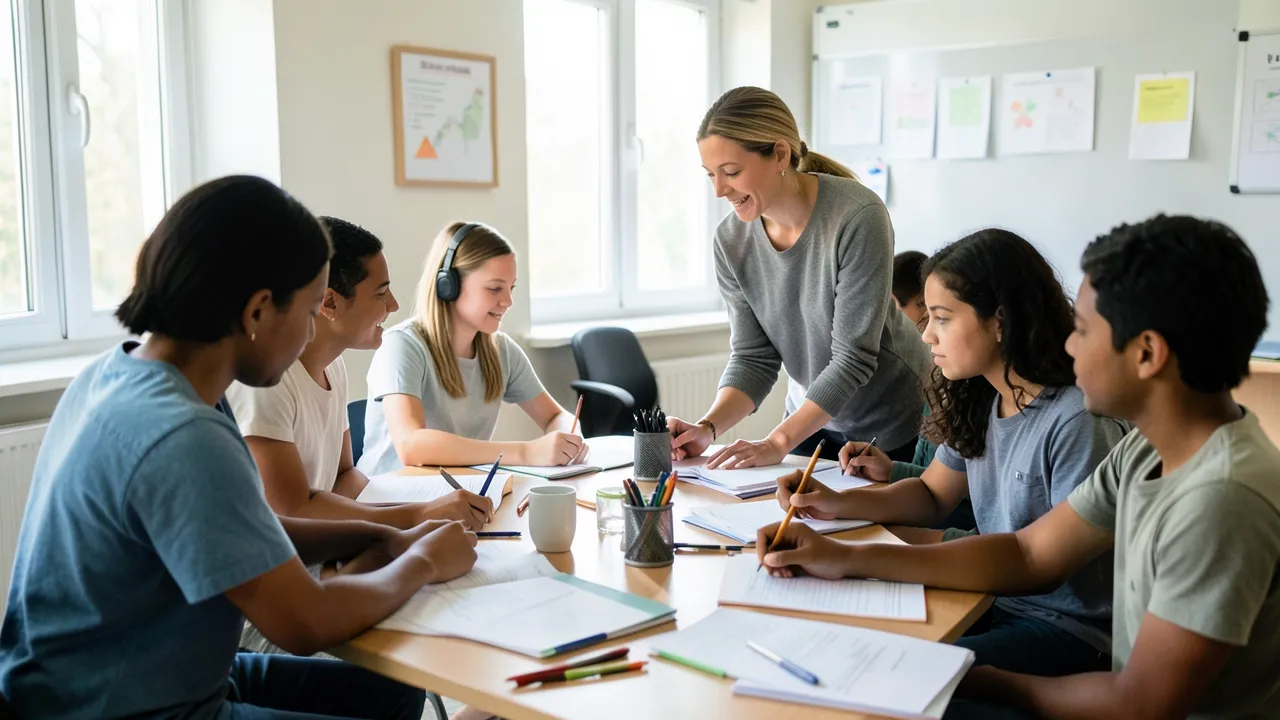
A school with wide doorways, elevators, quiet rooms, clear signage, and adjustable seating gives students more freedom to focus on learning rather than on navigation. Lighting, acoustics, and noise levels also matter. I have seen how a loud cafeteria or echoing hallway can overwhelm students with sensory sensitivities. Simple changes, such as acoustic panels or quieter study areas, can improve learning for many people, not only a few.
Flexible teaching practices
Accessible schools also need flexible instruction. That means materials in multiple formats, readable digital content, captioned videos, and alternative ways to complete assignments. Some students process information best through listening, others through reading, and others through hands-on work. When teachers offer options, they support accessibility without lowering standards. They widen the path to success.
Workplaces That Support Real Participation
A workplace that claims to value talent but ignores access sends a mixed message. If a person cannot get through the door, use the software, or ask for adjustments without stigma, then the promise of opportunity is incomplete. Equal access in employment is about more than hiring; it includes retention, promotion, and everyday working conditions.
Design for adjustment, not exception
I believe workplaces function better when accessibility is routine. Adjustable desks, screen-reader-friendly systems, captioned meetings, and quiet spaces should not be treated as special favors. They are practical tools that help people do their jobs well. When managers normalize accommodations, employees are less likely to hide their needs or leave due to avoidable strain.
Culture matters as much as equipment
Even well-equipped offices can fail people if attitudes are hostile. A worker who is interrupted, doubted, or viewed as a burden may not feel included, even with the best technology available. That is why disability inclusion depends on training, respectful communication, and policies that protect privacy. In my view, a workplace becomes accessible when people can request support without fear and when colleagues understand that difference is part of normal working life.
Public Spaces That Everyone Can Use
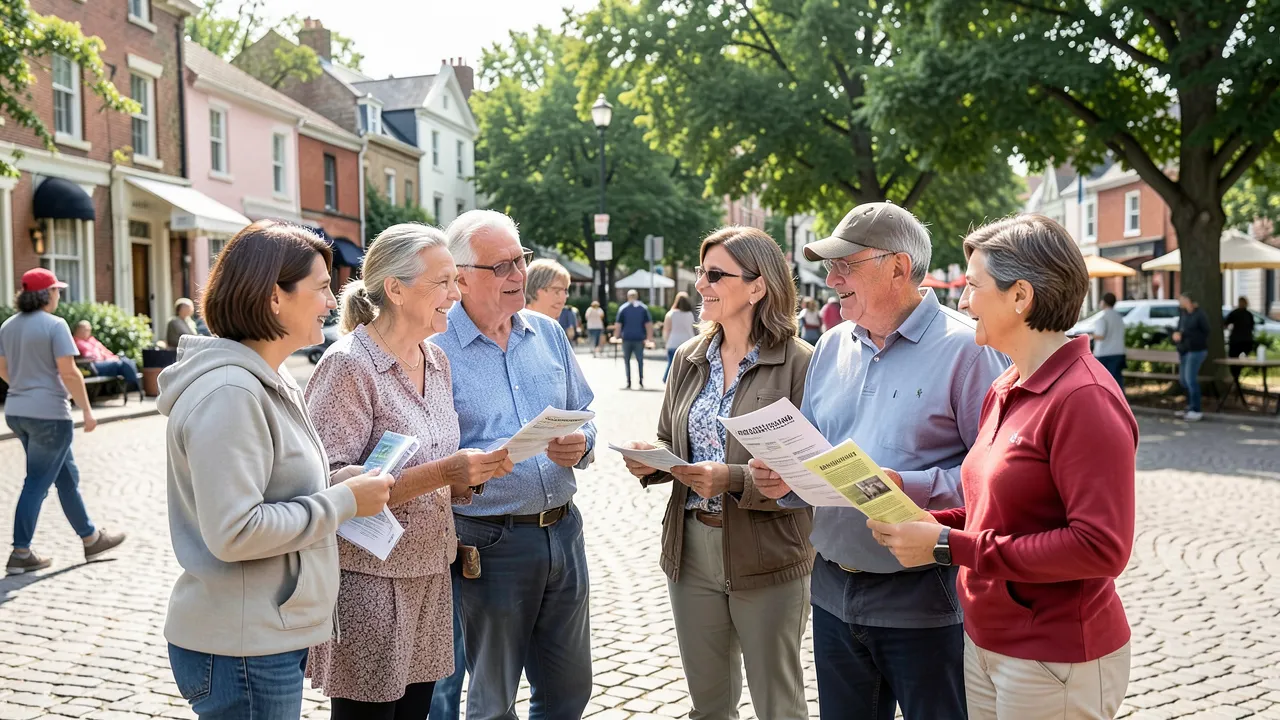
Public spaces include sidewalks, transit stops, parks, libraries, museums, and government buildings. These places should belong to everyone, yet barriers are still common. One missing curb cut can turn a short walk into a detour. One confusing sign can make a public service hard to find. One unspoken assumption can make a person feel unwelcome.
Movement, orientation, and information
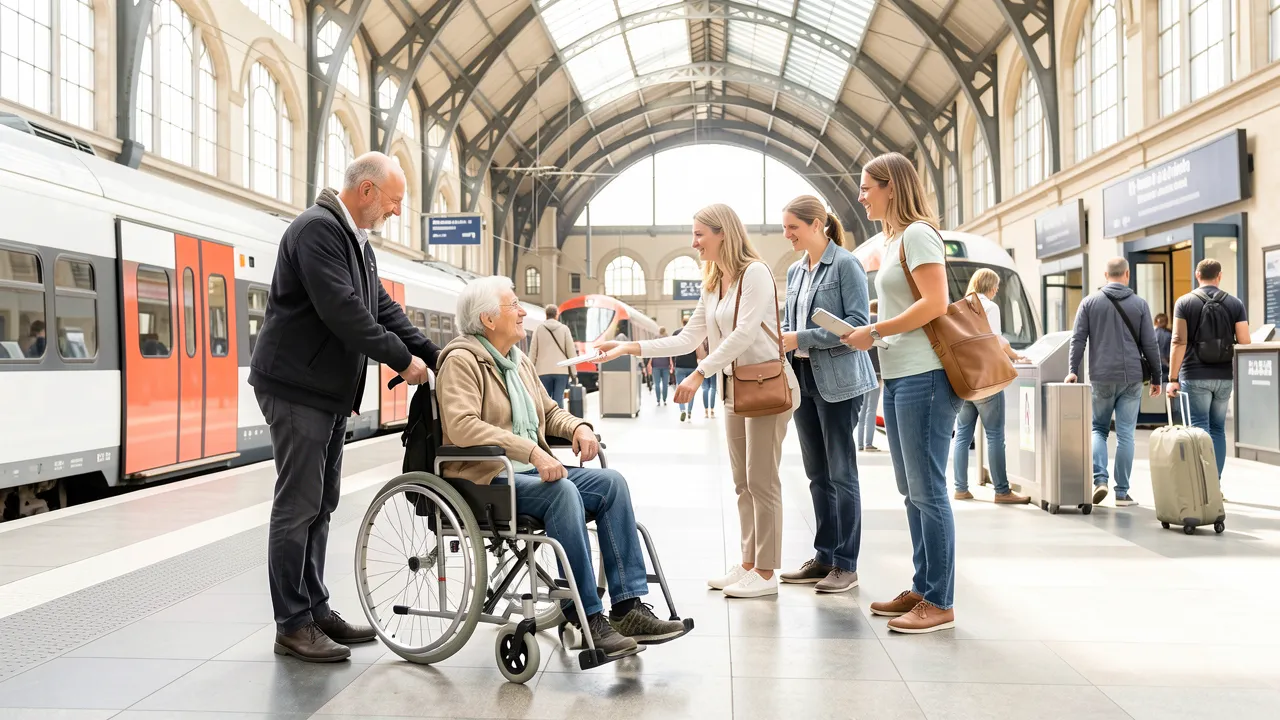
Truly accessible public spaces support three things: getting there, knowing where to go, and using the service once you arrive. That means step-free routes, tactile paving, clear wayfinding, audible announcements, large-print and high-contrast signs, and digital information that works with assistive technology. Accessibility also includes rest areas, accessible bathrooms, and places to wait without pressure.
Safety and dignity
A public space should not force someone to choose between participation and exhaustion. If seating is scarce, if lighting is poor, or if crossings are too short, some people are effectively pushed out. Accessibility is therefore tied to safety and dignity. When public environments are planned with diverse users in mind, everyone benefits from more legible, calmer, and more humane spaces.
The Principles Behind Inclusive Design
Inclusive design is strongest when it follows a few clear principles. I find these useful across sectors:
- Listen to disabled people early and often
- Provide multiple ways to access the same information or service
- Design for flexibility rather than a single “average” user
- Make accessibility visible, not hidden
- Test spaces and systems with real users, not assumptions
- Treat feedback as part of design, not as an afterthought
These principles support accessibility because they move us away from one-size-fits-all thinking. They also reduce the need for constant individual fixes, which often place the burden on the person facing the barrier.
A Shared Responsibility
Accessibility is not only the job of architects, teachers, employers, or city officials. It is a shared responsibility shaped by funding, policy, leadership, and everyday choices. I think progress happens when institutions stop asking whether access is affordable and start asking whether exclusion is acceptable. That shift changes priorities.
When schools adapt curricula, workplaces normalize accommodations, and public spaces remove barriers, they create stronger communities. People are then judged less by their limitations and more by their abilities, ideas, and contributions. That is the real value of equal access: it makes participation possible without demanding that people earn the right to belong.
Building Spaces That Work for More People
Accessibility is not a luxury feature or a narrow compliance issue. It is a practical and ethical way of designing social life. Schools become better when every learner can take part. Workplaces become stronger when every employee can contribute fully. Public spaces become more democratic when everyone can move through them with confidence. I believe inclusive design is one of the clearest signs that a society takes disability inclusion seriously. The more we build for diversity from the start, the fewer people are left outside.