


How grassroots campaigns build public support
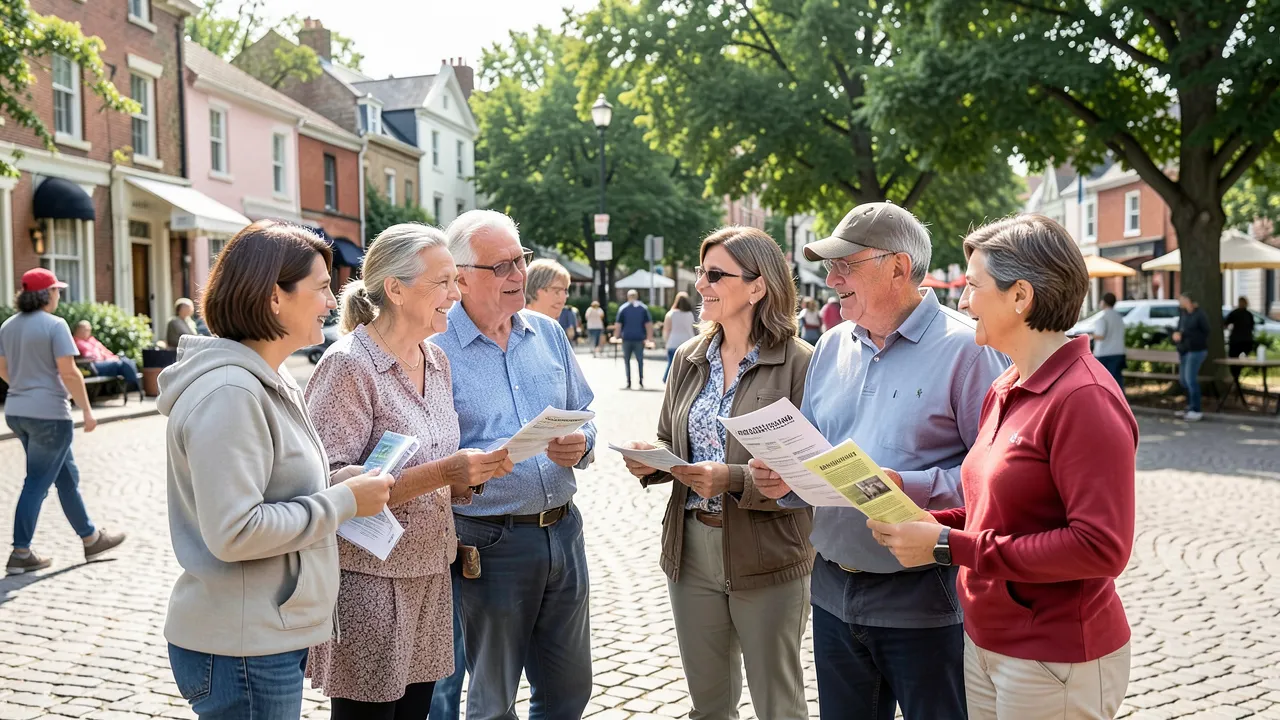
Grassroots campaigns often succeed because they begin close to everyday life. They do not rely only on polished slogans or large institutions. Instead, they grow through conversations, local relationships, visible actions, and a steady sense that ordinary people can shape public debate. When a campaign feels rooted in real experience, it can persuade people who would otherwise stay neutral or sceptical.
Why grassroots campaigns resonate with people
At the heart of many successful campaigns is a simple truth: people trust peers, neighbours, and community leaders who speak from direct experience. A message delivered by someone who shares the same concerns often carries more weight than one delivered from a distant organisation. That is one reason grassroots work can be so effective on social issues. It turns abstract problems into human stories.
Grassroots campaigns also lower the barrier to participation. A person does not need to be a policy expert to attend a meeting, share a post, sign a petition, or speak to a local representative. The campaign becomes accessible, and that accessibility helps build momentum. When supporters see small actions adding up, they are more likely to stay involved.
Local credibility creates lasting support
Public support rarely appears all at once. It grows when people see consistent, respectful engagement over time. Local credibility comes from showing up, listening carefully, and responding to what communities say they need. A campaign that speaks with people rather than at them usually earns more trust.
This is especially visible in neighbourhood efforts around housing, education, or migration. If a campaign helps people connect to practical information and local services, the issue stops feeling distant. For example, How newcomers can find housing, work, and community support after moving shows how practical support can help turn concern into solidarity.
Storytelling turns abstract issues into shared concerns
A campaign can present facts, but facts alone rarely move public opinion. Stories help people understand why an issue matters in daily life. A parent describing barriers at school, a tenant explaining rising rents, or a volunteer recounting a local cleanup can make an issue feel immediate and relatable.
Effective storytelling does not exaggerate. It connects a broader problem to a specific experience. That balance matters, because audiences are more likely to trust a campaign that sounds honest than one that feels staged. Authentic stories can reduce distance between different groups and open the door to empathy.
Personal testimony can shift attitudes
Personal testimony works best when it is paired with dignity and care. People should never feel they are being used as examples. Instead, campaigns can invite those affected to speak on their own terms. A well-told story often does more than persuade; it also helps communities see themselves as part of a larger shared effort.
In education campaigns, for instance, families and teachers often become powerful advocates when they describe what support looks like in practice. Resources such as How schools can support children from diverse backgrounds and learning needs can help campaigners frame these conversations around inclusion and concrete solutions.
Trust grows when campaigns use credible information
Public support can weaken quickly if a campaign repeats claims that are inaccurate or easy to challenge. That is why careful fact-checking matters. Grassroots groups often work with limited resources, but they still need a strong information base. When supporters can point to reliable evidence, their message becomes harder to dismiss.
This does not mean every campaign must speak in technical language. It does mean that claims should be traceable, clear, and consistent. Data, reports, and first-hand accounts should support one another. If a campaign is challenged online, a clear evidence trail helps it remain steady.
Misinformation can damage legitimacy fast
Social issues are often surrounded by misleading narratives. Campaigns that address migration, poverty, or education may face claims designed to provoke fear rather than understanding. Learning how to respond to those claims is part of building public support. Guidance like How to spot misinformation about migration and social issues online can help teams avoid repeating falsehoods and sharpen their responses.
A good campaign does not just correct errors. It explains why the issue matters, who is affected, and what practical change would look like. That approach helps people move from confusion to confidence.
Participation is stronger than passive approval
Support is not the same as agreement in theory. A person may say they care about a cause but still take no action. Grassroots campaigns become stronger when they give people simple, meaningful ways to contribute. Volunteering, attending events, sharing materials, or contacting local officials all turn sympathy into involvement.
Small tasks matter because they create ownership. Someone who helps organise a meeting is more likely to become a committed supporter than someone who only sees a poster. Campaigns can build this participation by offering clear next steps and making each contribution feel worthwhile.
Community organising multiplies reach
A campaign grows faster when supporters recruit other supporters. This is the logic of community organising: one conversation leads to another, and each new participant expands the network. In-person gatherings, phone trees, neighbourhood events, and local partnerships can all extend reach beyond the original core group.
This method also helps campaigns adapt. Communities vary in language, culture, and priorities. A flexible grassroots approach can respond to those differences without losing the central message. That adaptability often makes the campaign feel more relevant and more respectful.
Campaigns become stronger when they connect evidence and lived experience
The most persuasive grassroots efforts combine data with human experience. Numbers can show scale, while stories show impact. Together, they help people understand both the scope of a problem and the need for action. When campaigners use evidence well, they can speak to policymakers, journalists, and residents with greater confidence.
That balance is also useful when evaluating results. Campaigners should ask what changed, who benefited, and which tactics worked best. Resources such as How researchers measure social inequality and track what actually works can support that reflective process and help campaigns remain focused on real outcomes.
Key points to remember when building support
- Local trust is built through consistent presence and respectful listening.
- Personal stories make social issues easier to understand and remember.
- Reliable information helps campaigns resist misinformation and stay credible.
- Clear ways to participate turn passive support into active involvement.
- Community organising expands reach by encouraging supporters to bring others in.
- Evidence and lived experience work best when used together.
A durable public base comes from patience and consistency
Grassroots campaigns rarely win support overnight. They succeed through repetition, patience, and a willingness to meet people where they are. When campaigners combine practical help, clear communication, and genuine relationships, public support becomes more durable. The result is not only broader awareness, but a stronger sense that change is possible because ordinary people are part of making it happen.