

How mutual aid networks strengthen local communities
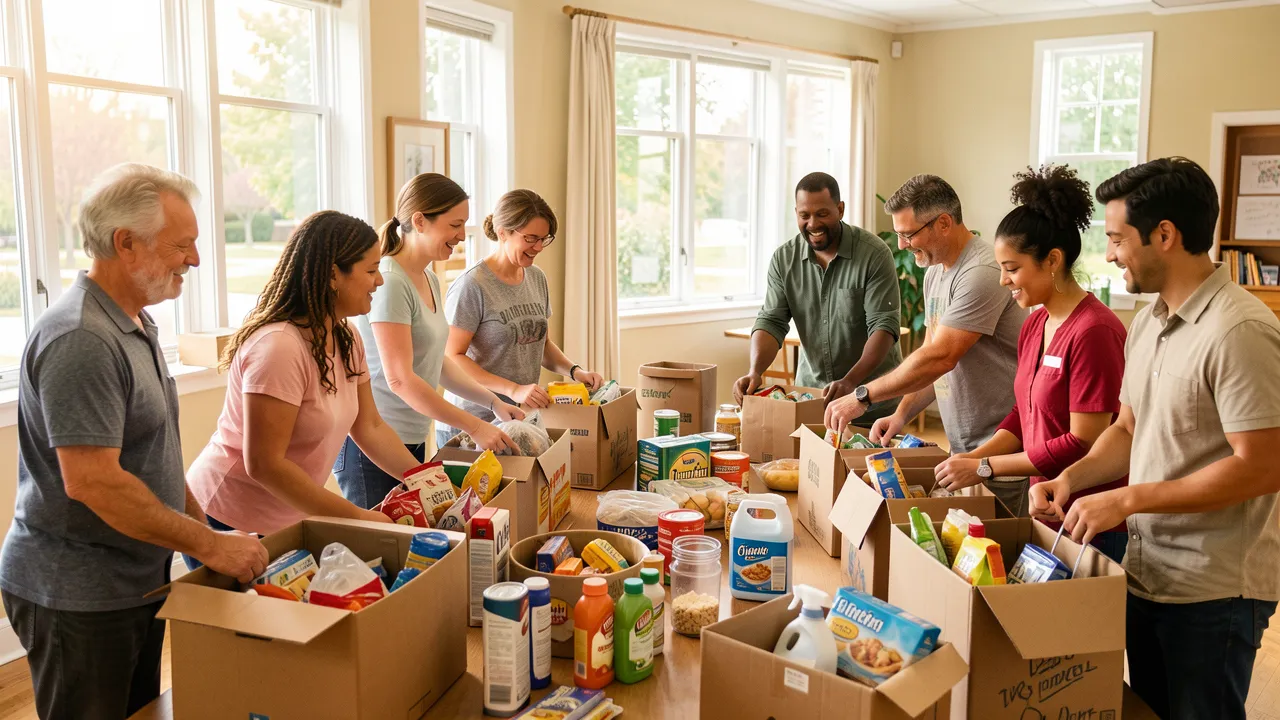
Mutual aid networks turn neighbourly concern into practical support. They connect people who can offer time, skills, money, food, transport, information, or emotional care with people who need those resources. Unlike one-way charity, mutual aid is built on reciprocity, shared decision-making, and the understanding that anyone may need support at different moments in life. For local communities facing rising living costs, isolation, discrimination, or sudden emergencies, these networks can create stronger and more connected neighbourhoods.
Mutual aid makes support more immediate and personal
Formal services often have eligibility rules, waiting periods, and limited opening hours. Mutual aid groups can respond quickly because they are rooted in local relationships. A neighbour may arrange a grocery delivery for an older resident, share school supplies with a family, or offer childcare while someone attends a medical appointment.
This responsiveness does not replace public services. It fills gaps while people navigate them, and it can reduce the loneliness that often accompanies hardship. When you know who lives nearby and what support is available, asking for help can feel less intimidating.
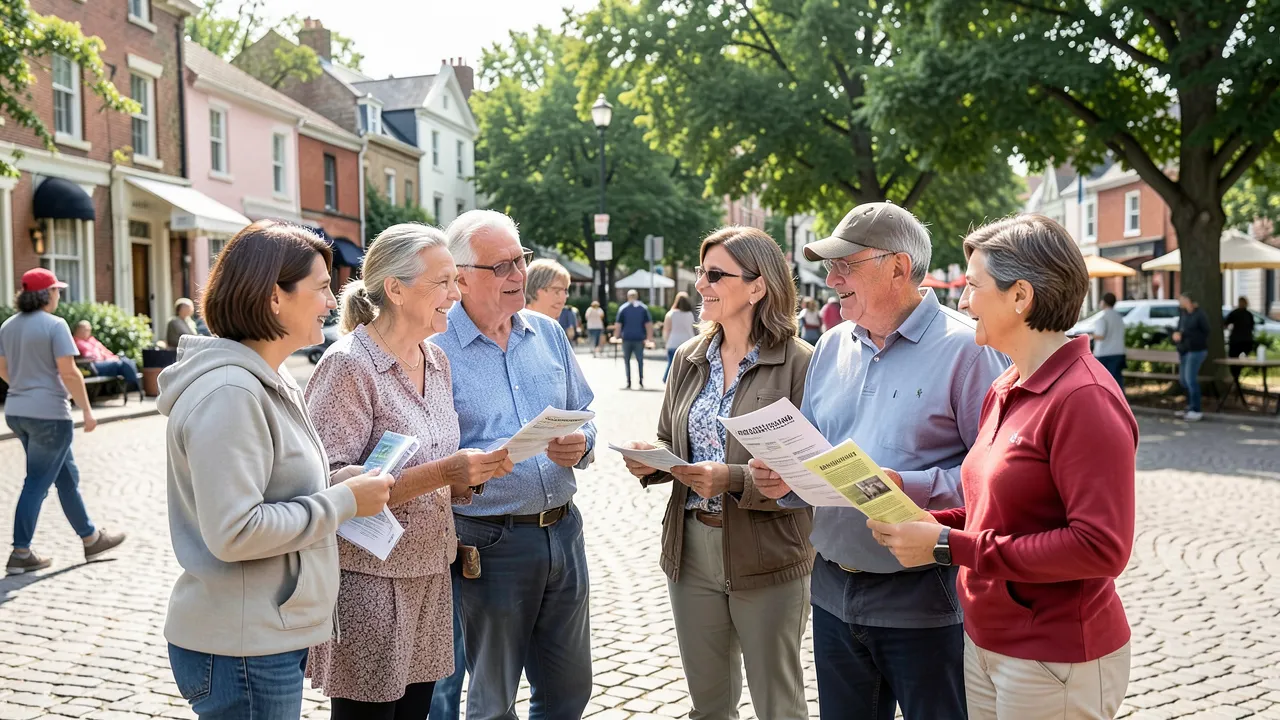
Many networks use simple tools, such as messaging groups, community noticeboards, phone trees, and regular meetings. Others work through libraries, faith groups, tenants’ associations, schools, or community centres. The format matters less than accessibility. A network should welcome people who are not confident online, do not speak the dominant local language, or cannot attend meetings during standard working hours.
Schools can become valuable meeting points for this work. Resources on How schools can support children from diverse backgrounds and learning needs can help communities consider how families, educators, and local volunteers can coordinate support without placing unfair expectations on parents or staff.
Shared responsibility builds trust between neighbours
Mutual aid changes the usual relationship between helper and recipient. People are not reduced to a list of needs. A person receiving food today may share translation skills next week, offer advice about local services, or check in on another neighbour. This reciprocal approach recognises that every resident has knowledge and value.
Trust develops through repeated, reliable contact. If volunteers communicate clearly, protect privacy, and follow through on commitments, people become more willing to participate. Over time, this can strengthen social ties across age groups, incomes, cultures, and housing situations.
Networks also create opportunities for residents to identify local priorities themselves. A group may discover that many people need affordable transport to health appointments, safe after-school activities, or help understanding tenancy rights. Rather than waiting for an outside organisation to define the problem, community members can organise around what they experience directly.
For this to work fairly, participation must be shared. Avoid allowing the same small group to carry all the planning, fundraising, and emotional labour. Rotating roles, offering training, and setting realistic boundaries help volunteers stay involved without burnout.
Mutual aid can challenge misinformation and exclusion
Social issues are often shaped by misleading claims about migration, poverty, disability, housing, and public support. False information can encourage suspicion between neighbours and make people reluctant to seek assistance. Mutual aid networks can counter this by sharing reliable local information, listening to residents’ experiences, and refusing narratives that blame communities for structural problems.
Before passing on an alarming post or claim, you can consult guidance on How to spot misinformation about migration and social issues online. Careful information-sharing protects both the people seeking help and the trust that keeps a network functioning.
Inclusion also requires attention to power. Some residents may fear authorities, face language barriers, lack secure housing, or have experienced racism and stigma. Meetings should be held in accessible spaces, requests for help should be treated confidentially, and decisions should include people directly affected by the issue. Offering anonymous ways to request support can be helpful where public visibility creates risk.
Mutual aid should never demand gratitude, personal disclosure, or political agreement in exchange for basic support. Respect and dignity are not rewards. They are the foundation of community care.
Local networks can connect people with longer-term opportunities
Emergency help matters, but mutual aid can also support stability over time. Volunteers may share job leads, explain how to access benefits, accompany someone to an appointment, or connect a newcomer with language classes and local social groups. These introductions can make unfamiliar systems easier to navigate.
People who have recently moved often need several forms of support at once. The guide How newcomers can find housing, work, and community support after moving offers useful perspectives for groups that want to welcome new residents with practical, respectful assistance.
A well-organised network also knows its limits. Volunteers are not substitutes for trained social workers, legal advisers, healthcare professionals, or emergency responders. Keep a current directory of local services, establish clear safeguarding procedures, and agree on when a request needs professional referral. Clear boundaries protect everyone involved.
Practical steps can help your network remain sustainable
A mutual aid group does not need a large budget to begin, but it does need shared expectations. Start with a manageable purpose, such as coordinating meal deliveries, sharing household items, or helping residents access local information. Listen before deciding what to offer.
Useful principles to keep in view include:
- Ask communities what they need, rather than assuming needs from a distance.
- Make requests and offers easy to submit through more than one channel.
- Protect personal information and obtain consent before sharing details.
- Rotate tasks so organising work does not fall on a few individuals.
- Build links with trusted local organisations and specialist services.
- Review what is working regularly, including whose voices may be missing.
Mutual aid gives communities a stronger foundation for the future
Mutual aid networks do more than respond to immediate shortages. They create habits of cooperation, make local knowledge visible, and help residents feel that they belong to one another. When you contribute a skill, share information, or make time to listen, you help build a community where support is closer, more dignified, and more widely shared.