

How campaigns can improve voter access
Campaigns influence more than turnout on election day. They can shape whether voters receive clear information, find a workable way to cast a ballot, and feel that their participation is welcomed. For people facing disability barriers, language gaps, limited transport, inflexible work schedules, or distrust of institutions, small obstacles can become reasons to stay home. A campaign that treats access as part of its public service can reach voters more fairly while building lasting credibility.
Voter access begins with understanding local barriers
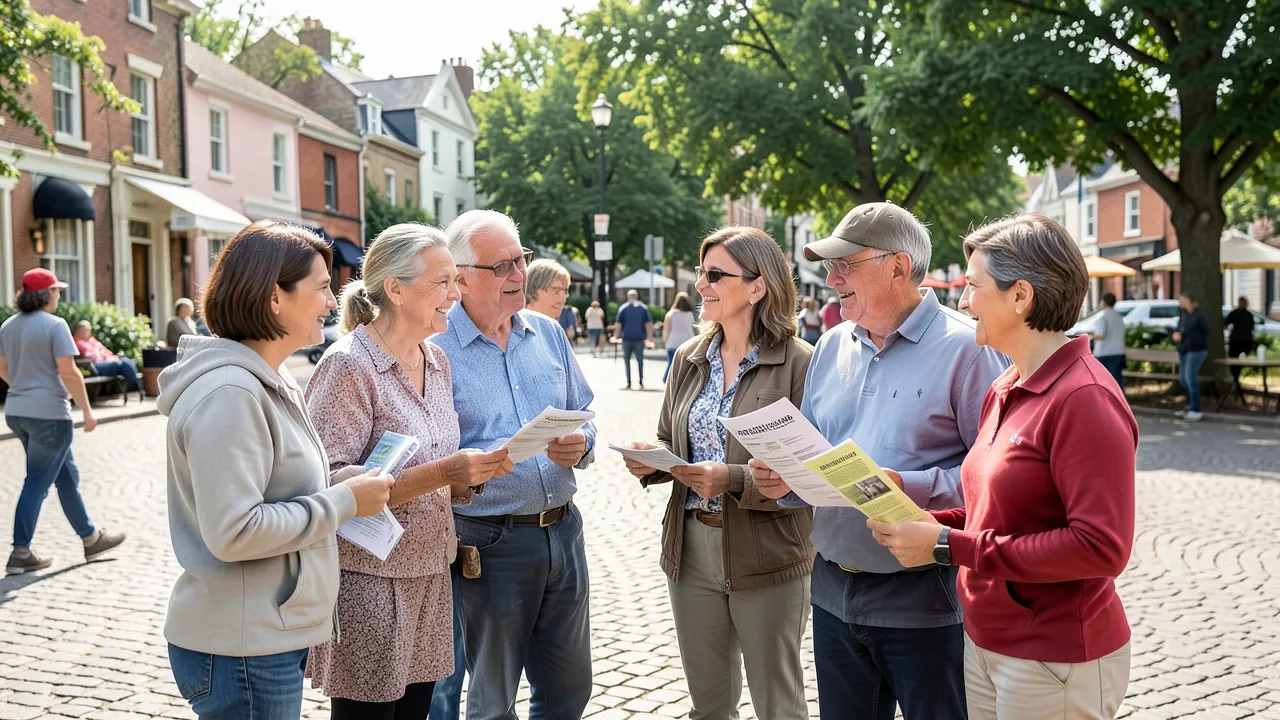
A useful access strategy starts with listening rather than assumptions. The barriers affecting a rural community may differ sharply from those in a dense urban district. Some voters may need information about mail ballots, while others may need accessible transport or translated materials.
Campaign teams can identify patterns through conversations with community organisations, disability advocates, local faith groups, student associations, unions, and senior centres. These partnerships bring practical knowledge that voter files and opinion polls cannot provide.
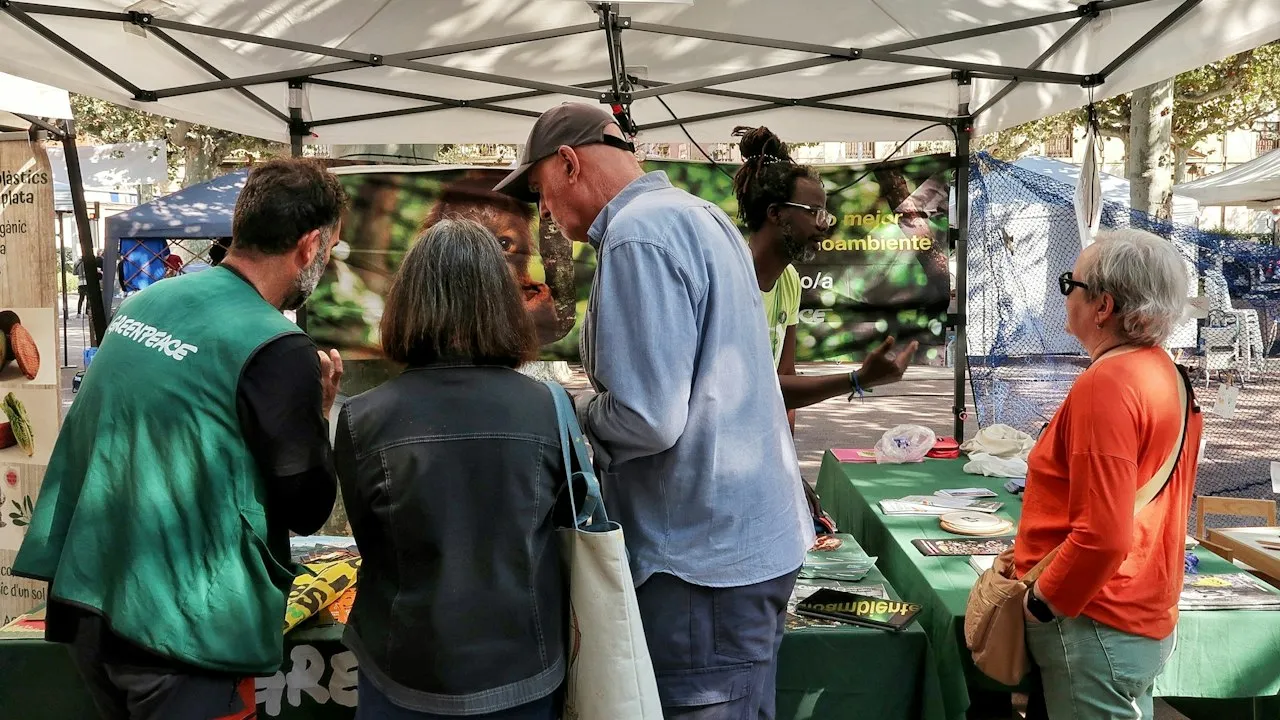
You can also ask direct, respectful questions at events and during canvassing:
- What makes voting difficult in this area?
- Do residents know the registration and ballot deadlines?
- Which languages are most commonly spoken at home?
- Are polling sites reachable by public transport?
- What communication formats are most useful?
The goal is not to collect sensitive personal details. It is to understand the structural barriers that prevent people from participating. This distinction helps campaigns design support without appearing intrusive.
Clear and accurate information reduces avoidable confusion
Election procedures can be confusing, especially where rules vary by municipality, region, or election type. Campaign messaging should make verified voting information easy to find and simple to understand.
Create a dedicated voter information page that answers common questions in plain language: how to register, where to vote, what identification may be required, how to request a postal ballot, and how to correct an error. Keep dates prominent and update them whenever election authorities issue new guidance.
A campaign should link voters to official sources rather than presenting itself as the final authority on election rules. For example, the U.S. Election Assistance Commission’s accessibility resources provide guidance on accessible voting for disabled voters. Comparable national or local election bodies should be used in other countries.
Printed leaflets, short videos, text-message reminders, and community radio can complement a website. Each format reaches people differently. A voter who rarely uses social media may still rely on a noticeboard at a library, a local newspaper, or a trusted community leader.
Accuracy must come before speed. An incorrect deadline or misleading eligibility claim can do more harm than no message at all. Assign one staff member to verify procedural content against official election sources before publication.
Accessible communication should be built into campaign materials
Accessibility is not a final-stage adjustment. It should guide the creation of every major campaign asset.
Digital content can be made more usable by adding captions to videos, writing descriptive alt text for images, providing sufficient colour contrast, and ensuring websites can be navigated by keyboard. Avoid placing vital information only in image files or fast-moving graphics. Use readable fonts and short, direct sentences.
Offline materials deserve the same care. Consider large-print versions of key leaflets, translated materials for major language groups, and phone lines where voters can ask questions. At public meetings, provide sign-language interpretation when requested and choose venues with step-free entry, accessible toilets, clear seating arrangements, and usable sound systems.
Campaign workers should also be trained to communicate respectfully with voters who have disabilities. Do not assume a person needs help, speak to a companion instead of the voter, or make promises about election services that the campaign cannot control.
Community partnerships can extend a campaign’s reach
Trusted local organisations often have stronger relationships with underrepresented voters than political campaigns do. Working alongside them can make voter information more credible and more practical.
A campaign might support a nonpartisan registration drive at a community centre, provide translated voting guides to a migrant-support organisation, or share transport information through a senior citizens’ network. The boundary between voter assistance and partisan persuasion should remain clear. Community members must be free to access factual election support regardless of their political preference.
Grassroots work also benefits from patient relationship-building. The principles behind How grassroots campaigns build public support can help teams engage residents through consistent presence, local listening, and genuine follow-through.
When collaborating with community groups, offer practical support rather than simply asking for access to their audiences. Share useful resources, attend meetings prepared to listen, and respect each organisation’s independence.
Practical support can make voting more manageable
Campaigns cannot run elections, but they can help voters prepare for them. A well-organised voter access plan may include reminders about registration deadlines, public transport routes to polling sites, ballot return deadlines, and official helplines.
Volunteer teams can conduct outreach by phone, text, doorstep conversations, and events. Their role should focus on factual guidance and encouragement, never pressure. Scripts should include a clear instruction to consult election authorities when a voter’s situation is uncertain.
For voters with limited time, concise reminders are especially valuable. A text sent several days before a registration deadline, followed by another before polling day, can prompt action without overwhelming recipients. Respect opt-out requests and privacy rules at every stage.
Strong access work strengthens democratic participation
Campaigns that remove practical obstacles can engage people who have been overlooked by conventional outreach. The most effective approach combines accurate information, accessible communication, trusted partnerships, and respectful follow-up.
Key actions include:
- Map local voting barriers through conversations with affected communities.
- Publish verified, easy-to-read guidance on registration and voting options.
- Design websites, videos, events, and printed materials for accessibility from the start.
- Partner with independent community organisations on factual voter support.
- Train volunteers to assist respectfully and protect voter privacy.
- Send timely reminders that help people meet official deadlines.
When you treat voter access as a continuing responsibility rather than a late campaign tactic, you create more opportunities for people to take part on their own terms.