


How participatory research centers community voices
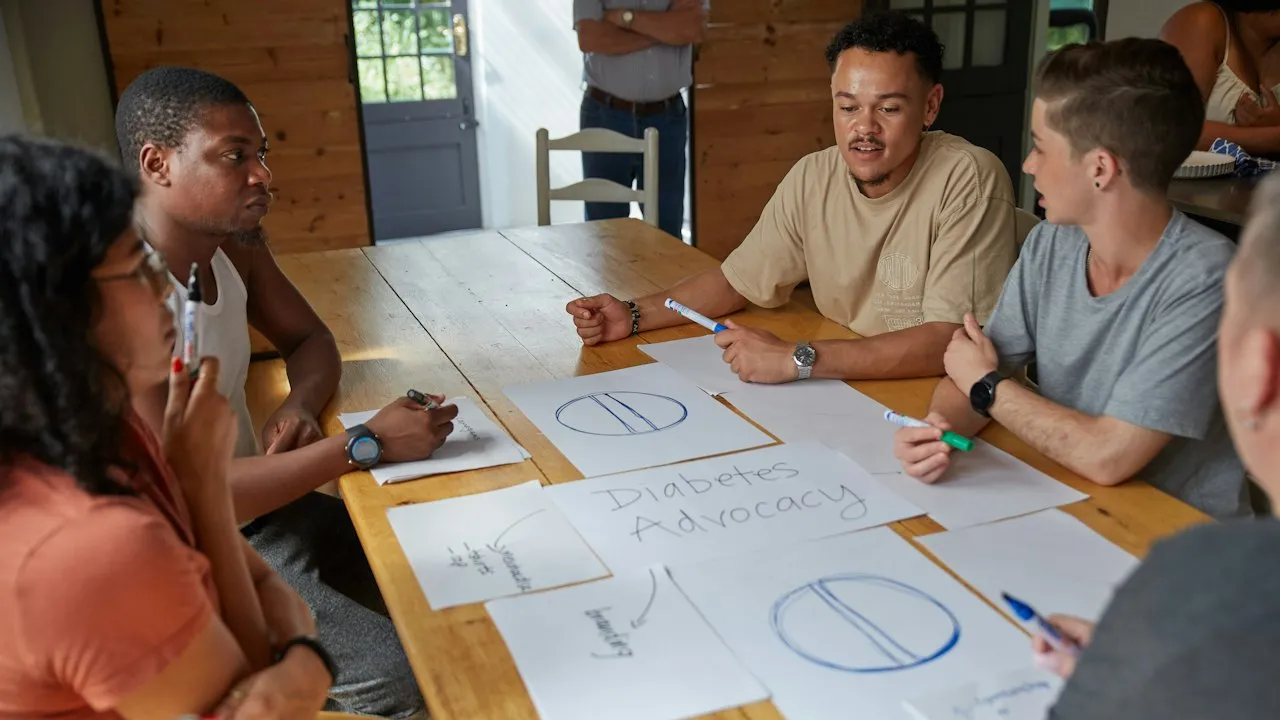
Participatory research places people affected by social issues at the centre of the inquiry, rather than treating them only as sources of data. It invites community members to shape questions, interpret findings and influence decisions. For you, whether you work in research, public services, advocacy or a local organisation, this approach offers a more accountable way to understand complex realities. Community voice becomes part of the research process, not an afterthought added once the report is complete.
Participatory research changes who holds knowledge
Traditional research often begins with experts defining a problem, choosing methods and collecting information from participants. Participatory research redistributes some of that authority. Residents, service users, workers, young people or other affected groups can help identify what needs investigating and why it matters.
This distinction changes the quality of the questions being asked. A study on housing insecurity, for example, may initially focus on rent arrears or the availability of accommodation. People living with housing insecurity may instead point to unstable work schedules, inaccessible benefit systems, discrimination by landlords, overcrowding or the emotional impact of repeated moves. Their experience broadens the frame and may reveal issues overlooked by institutional data.
Participatory methods do not reject academic expertise. They combine lived experience, professional practice and research skills. Researchers still have responsibilities around ethics, evidence, analysis and transparency. The difference is that these responsibilities are exercised with communities rather than over them.
When questions relate to unequal access to resources and power, researchers can also draw on How researchers measure social inequality and track what actually works. Clear measures help groups connect personal experiences to wider patterns without reducing people to statistics.
Community involvement must be meaningful from the beginning
Inviting people to a final consultation is not the same as participation. Meaningful involvement begins before the research design is fixed. Communities need genuine opportunities to influence priorities, methods, timelines and the use of findings.
A practical process may include listening sessions before a proposal is written, a community advisory group with decision-making power, paid peer researchers, collaborative workshops to interpret evidence and public feedback meetings after publication. Different levels of involvement can suit different projects, but researchers should state openly what participants can influence.
Payment deserves careful attention. People who contribute knowledge, time and emotional labour should not be expected to work for free simply because they are community members. Fair compensation, transport costs, childcare, accessible venues and flexible meeting times can remove barriers that otherwise exclude those whose perspectives are most needed.
Participation also requires attention to safety. Discussions of poverty, racism, disability, migration, violence or exclusion may bring up painful experiences. You should establish clear safeguarding procedures, consent processes and options for anonymous participation. People must be able to step back without losing access to support or payment.
Accessible methods make more voices available
Research methods can either widen participation or quietly narrow it. Long written surveys, formal meeting formats and technical language may favour people with more time, confidence or institutional familiarity. Participatory research offers alternatives that respect different forms of communication.
Interviews led by trained peers can create trust where residents are wary of officials. Mapping exercises can help groups describe local barriers and assets. Photo diaries, walking conversations, story circles and creative workshops may allow people to share experiences that are difficult to express through a questionnaire. Digital tools can help, but they should never be the only route to participation where internet access is uneven.
Accessibility includes the social environment as well as the format. Participants may need interpretation, large-print materials, quiet spaces, sensory adjustments or the option to contribute outside a group setting. Facilitators should avoid assuming that the loudest voices represent everyone. Separate sessions for particular groups may be appropriate when power differences make open discussion difficult.
Community gatherings can be designed with the same care. How to dress for community events with confidence and care offers useful reflections on comfort, respect and belonging in shared spaces. Small details can affect whether participants feel welcomed or judged.
Shared analysis strengthens accountability
Collecting stories is only one stage of participatory research. Communities should also have a role in making sense of what has been gathered. Researchers can return preliminary findings in plain language, ask participants what feels accurate or missing, and discuss competing interpretations rather than presenting one official account.
This stage helps prevent extractive practices, where people share their experiences but never see how their words are used. It can also challenge assumptions. A researcher may interpret a low uptake of a service as lack of awareness, while participants explain that previous encounters felt humiliating or unsafe.
Disagreement should not be treated as a failure. Communities are not homogeneous, and no single participant can speak for all others. Good participatory practice records differences, explains how decisions were made and avoids presenting a convenient consensus.
When research relates to civic participation, How campaigns can improve voter access shows why barriers must be understood through the perspectives of people facing them. Similar principles apply across many social issues: solutions work better when those affected help define the obstacle.
Participatory research can lead to action that communities recognise
Research earns trust when its findings return value to the people who contributed. This might mean sharing a plain-language report, holding a local discussion, producing materials for service providers, supporting a campaign or presenting recommendations directly to decision-makers alongside community representatives.
Researchers should be candid about what can and cannot change. A small project may not transform national policy, yet it can build relationships, produce credible local evidence and give participants tools to advocate for their priorities. Transparency about influence protects against promises that cannot be kept.
Key points to carry into your next project include:
- Start with community priorities before finalising research questions.
- Pay participants fairly and remove practical barriers to involvement.
- Use accessible methods that accommodate different communication needs.
- Invite participants to review and interpret findings.
- Share results in useful formats and explain what happens next.
- Treat disagreement as valuable evidence, not a disruption.
Community-centred research produces more usable social evidence
Participatory research does not offer a shortcut. It takes time, resources, humility and a willingness to share control. Yet its value reaches beyond better data. When people can shape how their experiences are heard and acted upon, research becomes more relevant, more ethical and more likely to support durable change. For you, centring community voices means recognising that expertise is found not only in institutions, but also in everyday life.